
What better way to spend a Saturday morning, after rain showers throughout the night, flowers covered in raindrops and perfect overcast skies? The conditions were too perfect to not make photographing my flowers a priority.… More
From Garden to Lens: Week 2 of Botanical Art
Week 2 of my 30 day From My Garden series ended a few days ago. The first week was bitter cold and all images were made inside. This past week it was above normal temperatures and being outside was wonderful. My garden is my happy place. Although, looking around my garden in both my front and back yards was exhausting. As I have stated before, my perennial plants aren’t cleaned out of my planter beds until spring. I will be busy cleaning my beds and getting ready for spring and summer. This past week of images were all of plant material from my garden and mostly made outside.
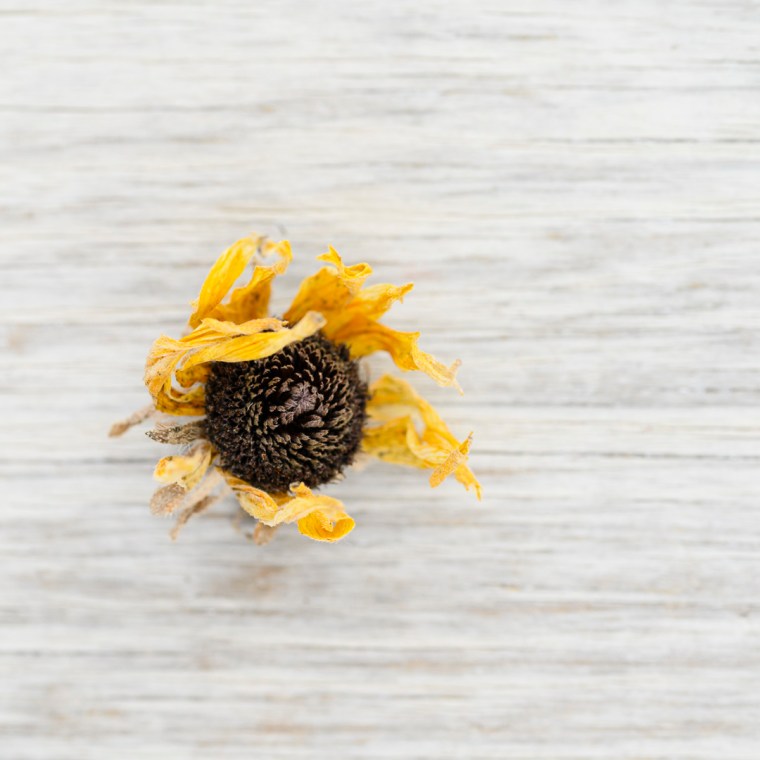
The first image was made inside, the dried black-eyed susan flower from the previous week. Unlike last week, showing the stem, I chose to photograph the flower only. A macro image, my favorite genre.
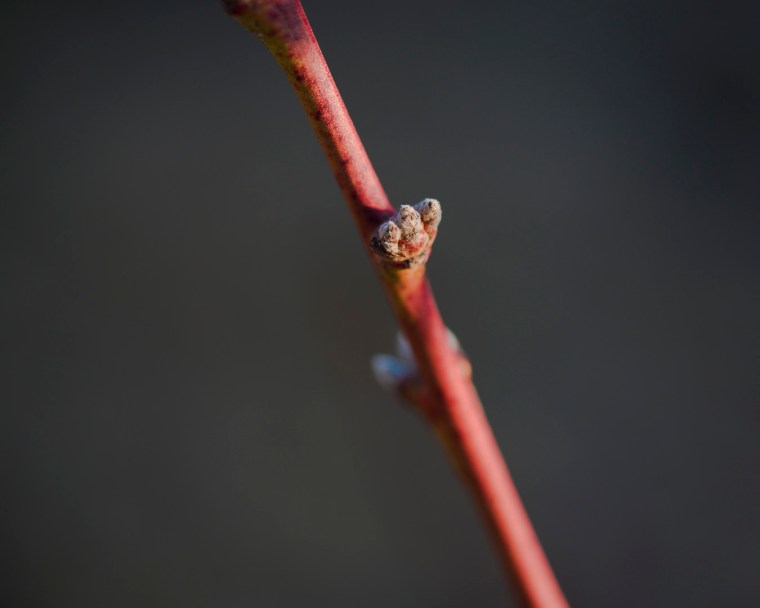
My lilac tree has started to bud with the recent above normal temperatures. Hopefully mother nature will cooperate and not drop so cold that the new growth will be damaged. The fragrance of lilacs on a breezy day fills my backyard garden. The aroma is intoxicating! This image was made on February 23rd. Way too early for my lilac tree showing signs of budding. The golden hour light was too much to pass up on creating this image.

Some photographers love the early morning golden hour. I prefer the late afternoon golden hour. This next image is soon to be new growth on my Reliance peach tree. It is too young to bloom this year, but hopefully next year.
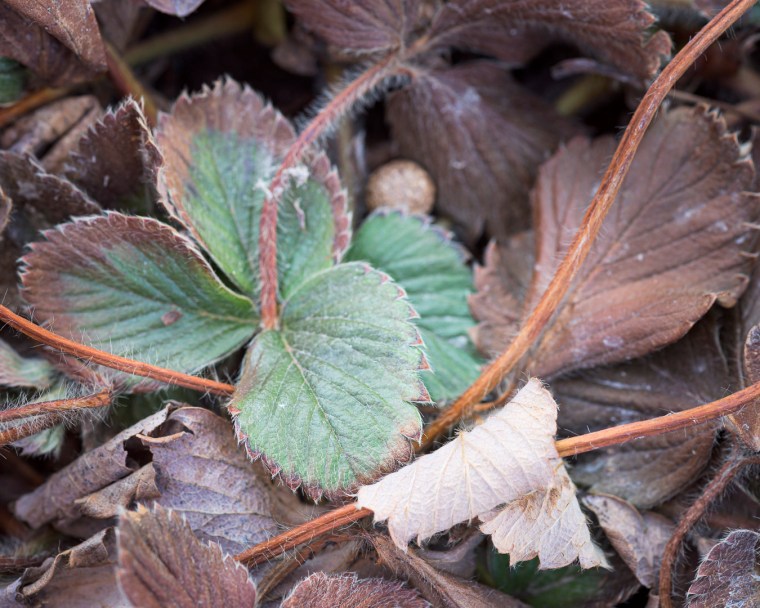
In my backyard there are several raised beds. One is 4′ by 8′ and about 2′ high. Ideal for a strawberry bed. After the bitter cold temperatures of the prior week, it was amazing to see green leaves in my strawberry bed. Were they left from last season and next went dormant or new leaves in the mild winter we have experienced? As I haven’t paid attention to this bed over the winter, the answer will stay unknown. I’m cautiously optimistic we will have above normal spring temperatures and any new growth will not be damaged.
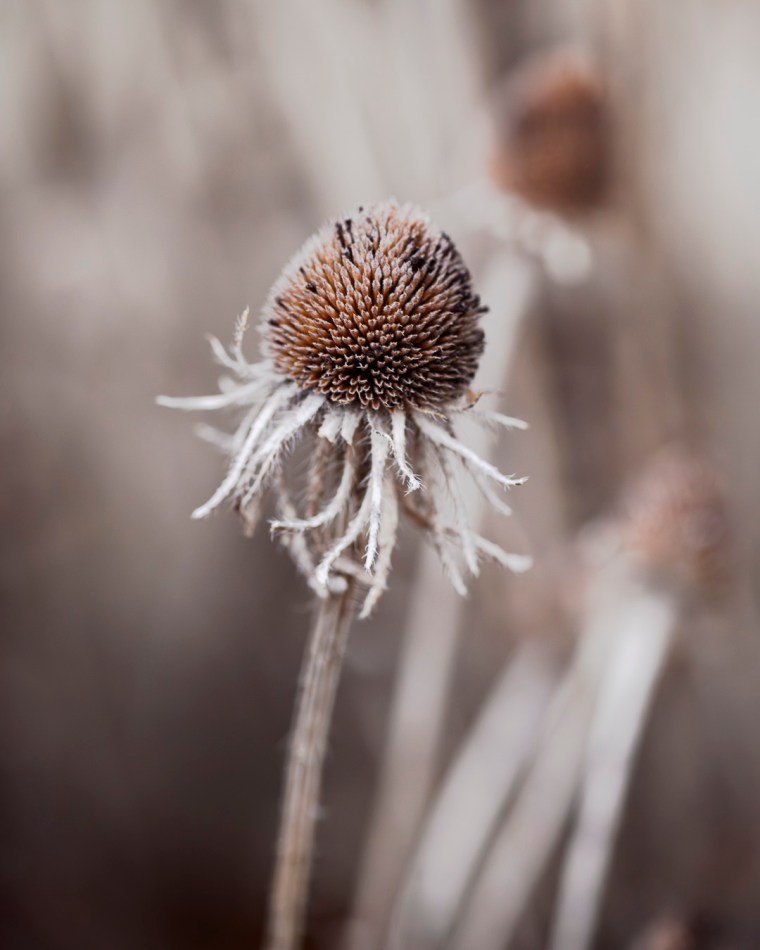
The next day found the wind to be calm. Perfect for macro photography. Some of my black-eyed susan’s were in a beautiful diffused light. Between wind, rain, freezing rain and snow, the dried petals are still hanging on. This image is my favorite of the week.
After a few days of warmth and sunshine, my lilac tree was showing signs of more growth. The beginning signs of lilac blooms. A few days after this image Mother Nature chose to have night time temperatures in the teens and twenties. Only time will tell if these tiny lilac buds will survive.

This next image is a multiple exposure (ME) made in Lightroom and Photoshop. One image was ICM (intentional camera movement) and the other a traditional image. The dried zinnia seed head was quite prominent, but even using a large aperture, the background wasn’t satisfying. The wind was a challenge, so I made it my friend. I used the wind and moved my camera. This allowed me to create an image that would make a great ME in post processing. The zinnia seed head in focus was the other layer. Using the screen blending mode, I was able to make the image below.
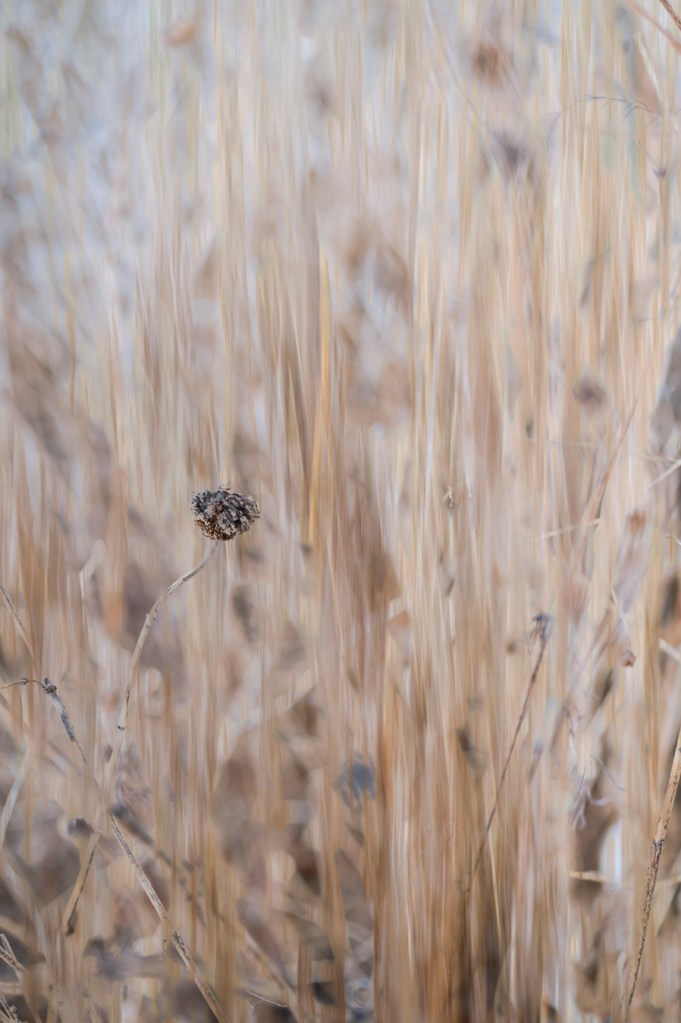
While some of this week’s images are more documentary, my goal of this project is to photograph plant life from my garden every day for 30 days. Some will be more documentary and some will be more artistic as the ME image above. I’m looking forward to see my garden change each day and discovering new ways to photograph the plant life both dormant and the emergence of new growth.
From Garden to Lens: 30 Days of Botanical Art
Recently, I attended Out of Chicago Live 2025 and it was an amazing conference. During the conference I was inspired by many photographers. One in particular, was Mary Jo Hoffman, author of Still, a beautiful book of her images and six essays. You can find her work on Instagram and on her blog Still. During one of her presentations, Ask Me Anything About Flat Lay Photography, she encouraged another participant to come up with a plan for a 30-day project. She then suggested to make it a 100-day project. My trying to come up with a project for 100 days when spring is just around the corner, failure was sure to ensue. Why? One of my passions is gardening and spring is a very busy time getting all the beds cleaned and ready for planting. A 30 day project seemed feasible. What could be my project? From My Garden, is my 30 day project. All images will be made with plant material from my garden.
Last week was my first week of this project. Only one image was made outside as the temperatures were bitter cold. The windchill at times was -25 degrees Fahrenheit. Even with all of my winter gear, it was too cold. My camera battery would not last long and the wind was too much of a challenge as well.
It was time to practice flat lay photography that Mary Jo had presented. She uses a white background and I didn’t want to copy her style. All of the plant material in my yard is definitely spent. A piece of barn wood quickly came to mind. It was from one of the barns where my grandpa farmed in the 1960’s. In 2004 several pieces were taken back with me to Phoenix. Then in 2015 when we moved to Iowa, the barn wood came home with me. For years, I have been undecided on what to do with these pieces. Now, was the perfect opportunity to make use of one of the boards.
Shooting inside had challenges too. One being I do not own any studio lights. Therefore, I had to work quick when coming home from work using natural light, a diffuser and a reflector. Fortunately, there is a large south facing window in my living room. The very late afternoon sun was quite bright and warm. A large diffuser was used to even and soften the light. Even so, there were still shadows and using a reflector solved that issue.
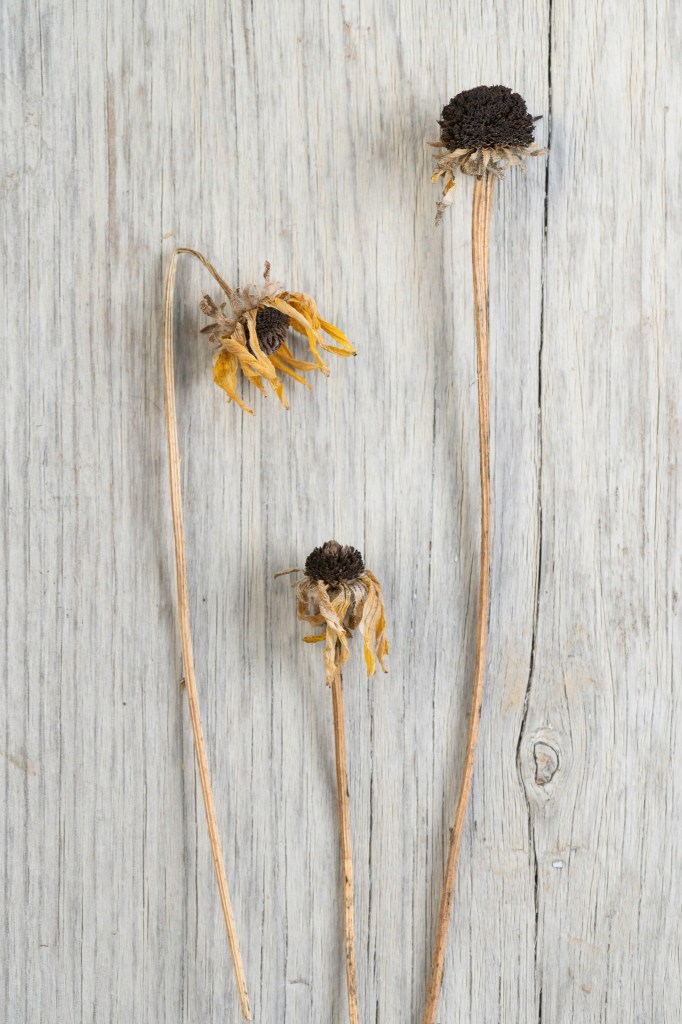
The first image is of dried black-eyed susan flowers that were still showing color in their petals. I was taken by surprise when I spied them outside of my kitchen window. I knew they should be cut and brought indoors to be photographed.
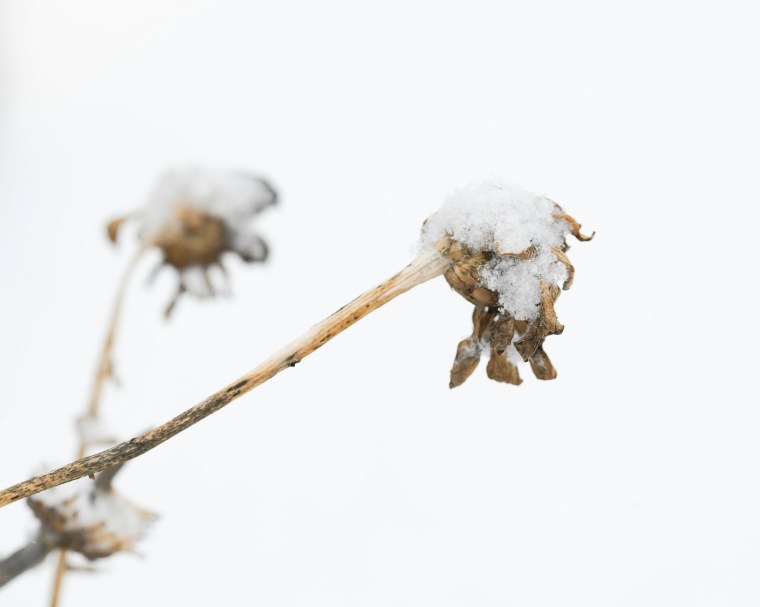
The next day was the only image made outside. My flower and perennial beds do not get cleaned out in the fall. I leave everything for the pollinators to hibernate, not to mention all of the natural bird seed for the birds that do not fly south. This next image is of Giant Benary Zinnias that were planted in a raised bed near all of my vegetable raised beds. I plant flowers right along side my vegetables to both attract pollinators and also to help with pest control.
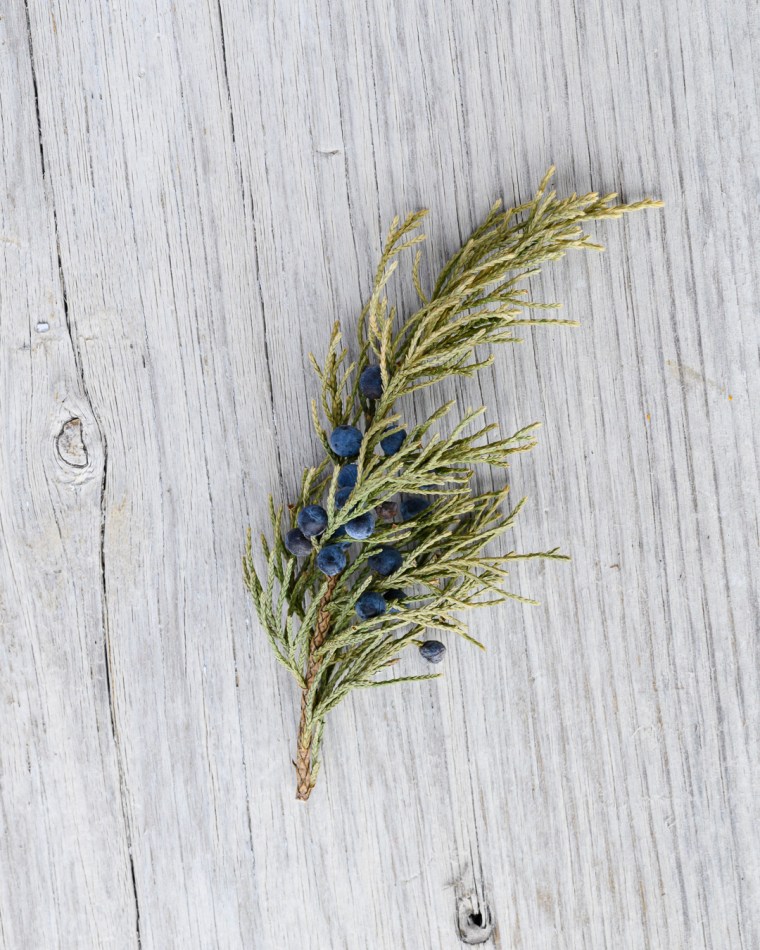
Back inside, this next image was made in my living room using natural light and a diffuser. I gathered several pieces of plant material from different flowers. The black-eyed susan’s were used again. The orange marigolds were found in a terracotta pot that had been moved into our garage for the winter. Again, finding this much color was a surprise. In the same pot were a few stems of petunias with a couple still showing some green color. The two seed heads on long stems are also black-eyed susan’s. Along the bottom are cedar berries that had been gathered from a neighbor’s property next to my aunt and uncle’s farm. The cedar branches with the beautiful blue berries were used for outdoor Christmas decor. Do you still have this much color in your yard?

The blue cedar berries looked like tiny blueberries. They deserved to have a portrait made. Each day I had to come up with a composition and then work quickly before the light was gone. This 30 day challenge, from my garden, is just that.
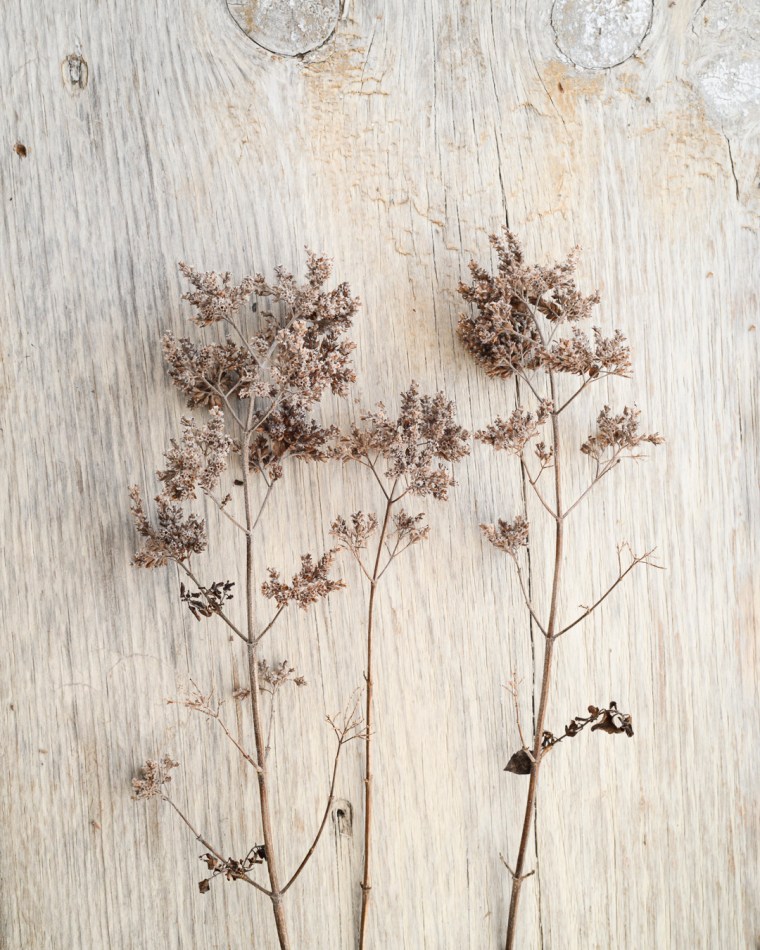
In the spring of 2016, my first garden was planted here in Southeast Iowa. During late winter and early spring I started several vegetables and herbs. One of the herbs was oregano. At the time, I thought oregano was an annual. Yet, it has come back year after year! Each year it is bigger than the last. Last year, I dug some up and gave it to a friend for her garden. If not trimmed regularly it will flower. The flowers are loved by the bees! The dried oregano flowers would be my next plant material to photograph. The sun was quite low and casting a warm light on a small part of the flowers even with a diffuser. Using a silver reflector, a more even warm light was cast over the flowers. That’s right, a silver diffuser was used not a gold or a silver/gold reflector.
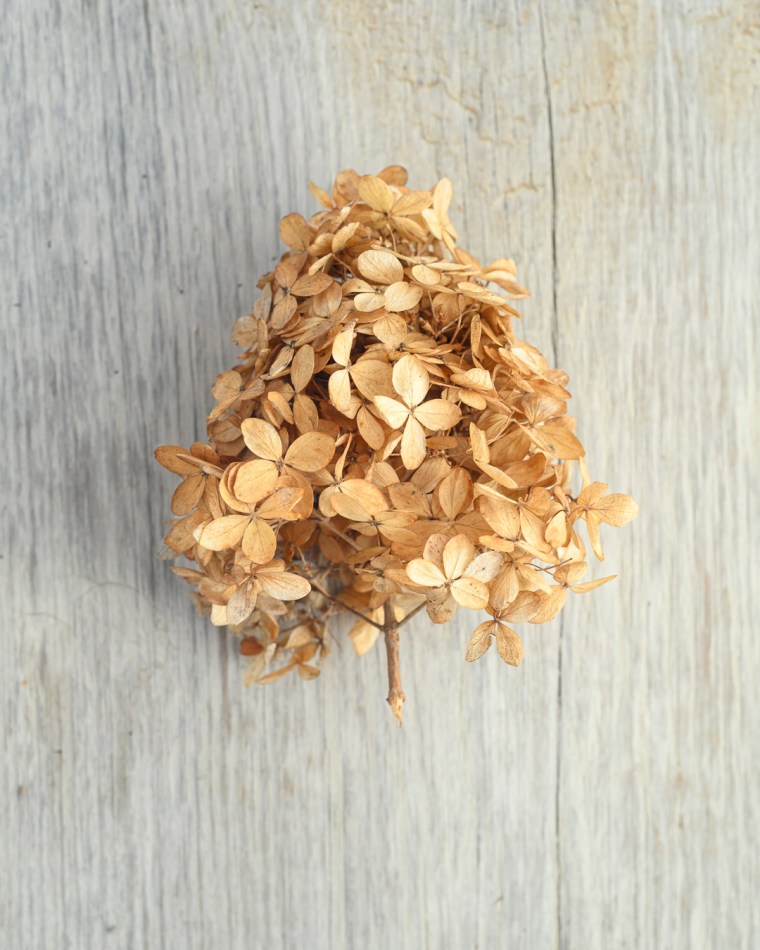
I found two hydrangea flowers while foraging for plant material. They had broken off in the wind and were lying in my perennial flower bed. One had been smashed on one side, so that one was tossed aside. It will be composted in the spring. The other dried flower had a pretty triangle shape and was not tattered. This is not the same flower that was photographed covered in snow.
The last image for the week is of Giant Benary Zinnia seed heads. I braved the cold to snip a few stems that were left in my garden. One was so large it had bent over from the weight of the seeds. The middle stem had lost most of its seeds, but left an interesting shape. The seed head on the far right was quite a bit smaller. It was possibly from a flower late in the season. I loved that a few leaves remained. Each stem unique and interesting in it’s own way.

I hope you follow along to see all the images that will be made with plant material from my garden!
 Different Isn't Wrong, It's Just Different